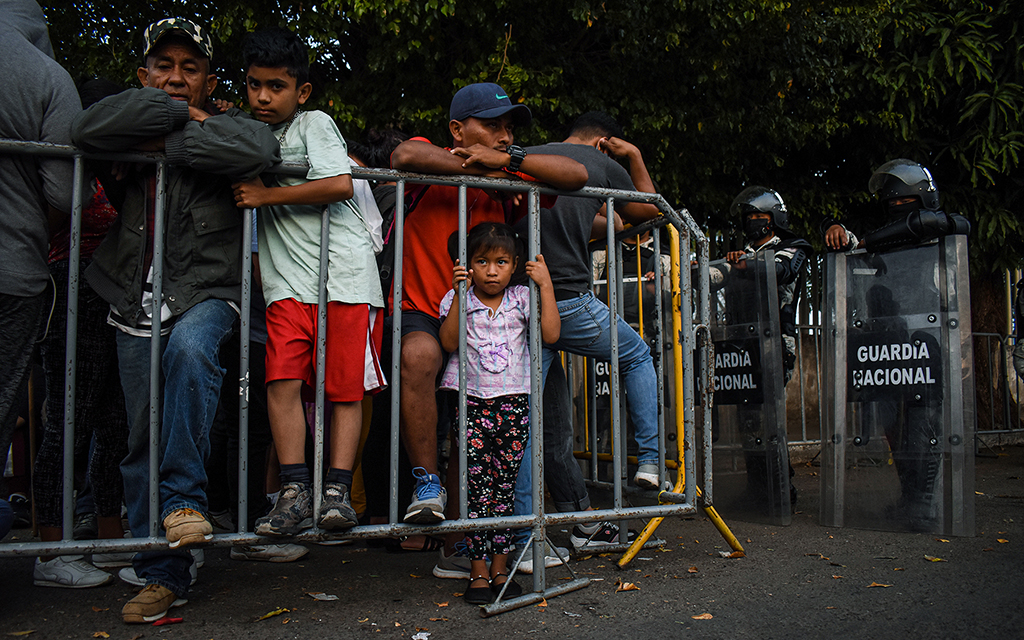
Thousands of migrants are trapped in Tapachula, just north of Mexico’s border with Guatemala, where they face strict limitations on their movements, few job prospects, poor living conditions and long waits for immigration hearings. Some have labeled Tapachula an “open-air prison” or a “living nightmare” – others call it the southern extension of the U.S. border. Why are they stuck there? The answer is a complicated mix of government bureaucracy, politics and pandemic-related challenges. Meanwhile, moments of anguish and desperation unfold day after day in Tapachula, a city of about 350,000, where migrants who left the turmoil of their home countries realize their journey has been stopped, maybe indefinitely, 1,000 miles from the U.S. border.
Tapachula: Lives in limbo